Litmus Design System
Step into the journey of a unique project. Here, I unravel the threads of my thought process and exciting steps taken from inception to execution.
Introduction
Welcome to the behind-the-scenes journey of creating Litmus Automation's first Design System library! This project was more than just assembling a collection of components, it was about establishing a foundation for consistency, efficiency, and scalability across the company’s entire IoT product suite.
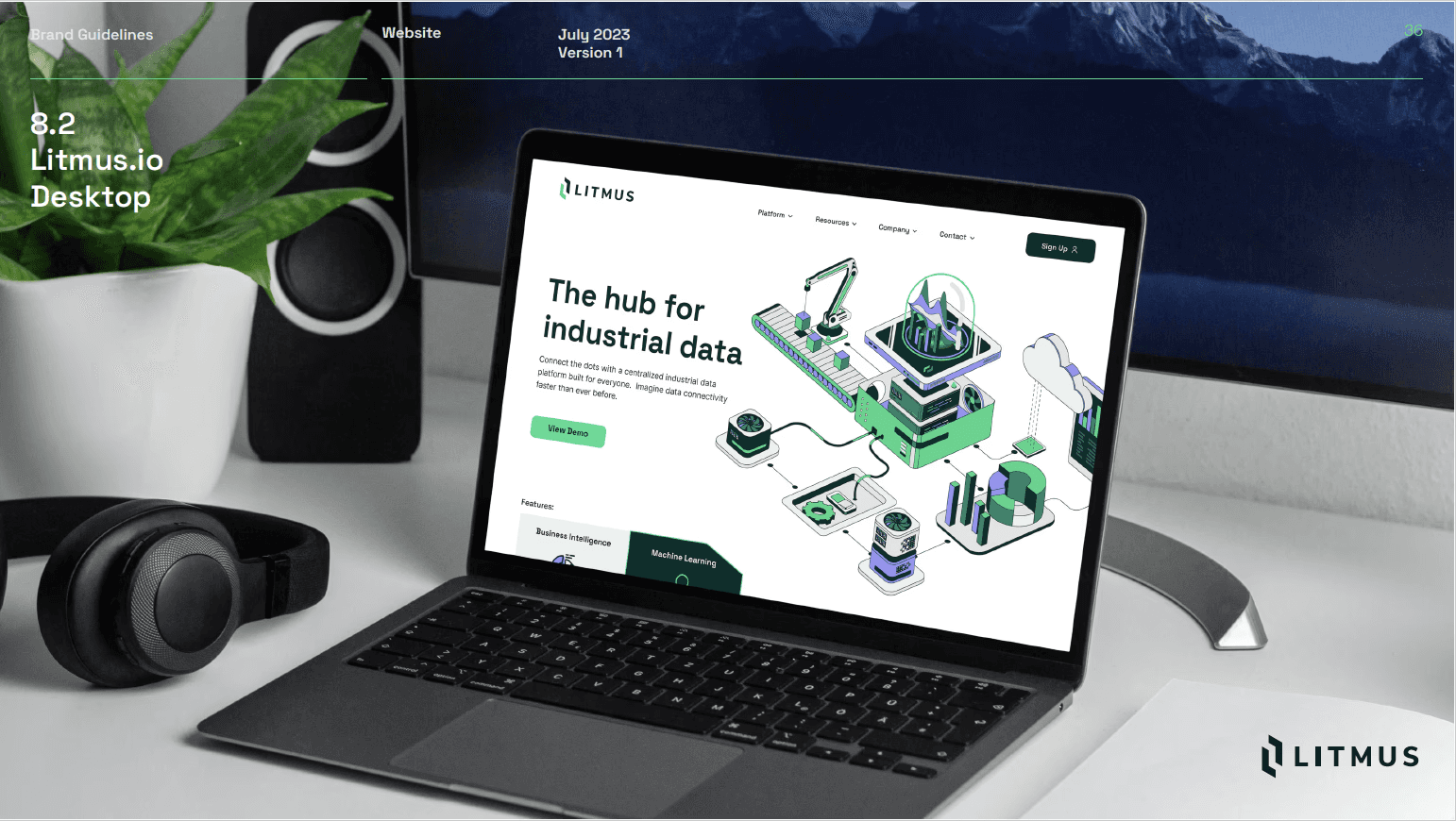
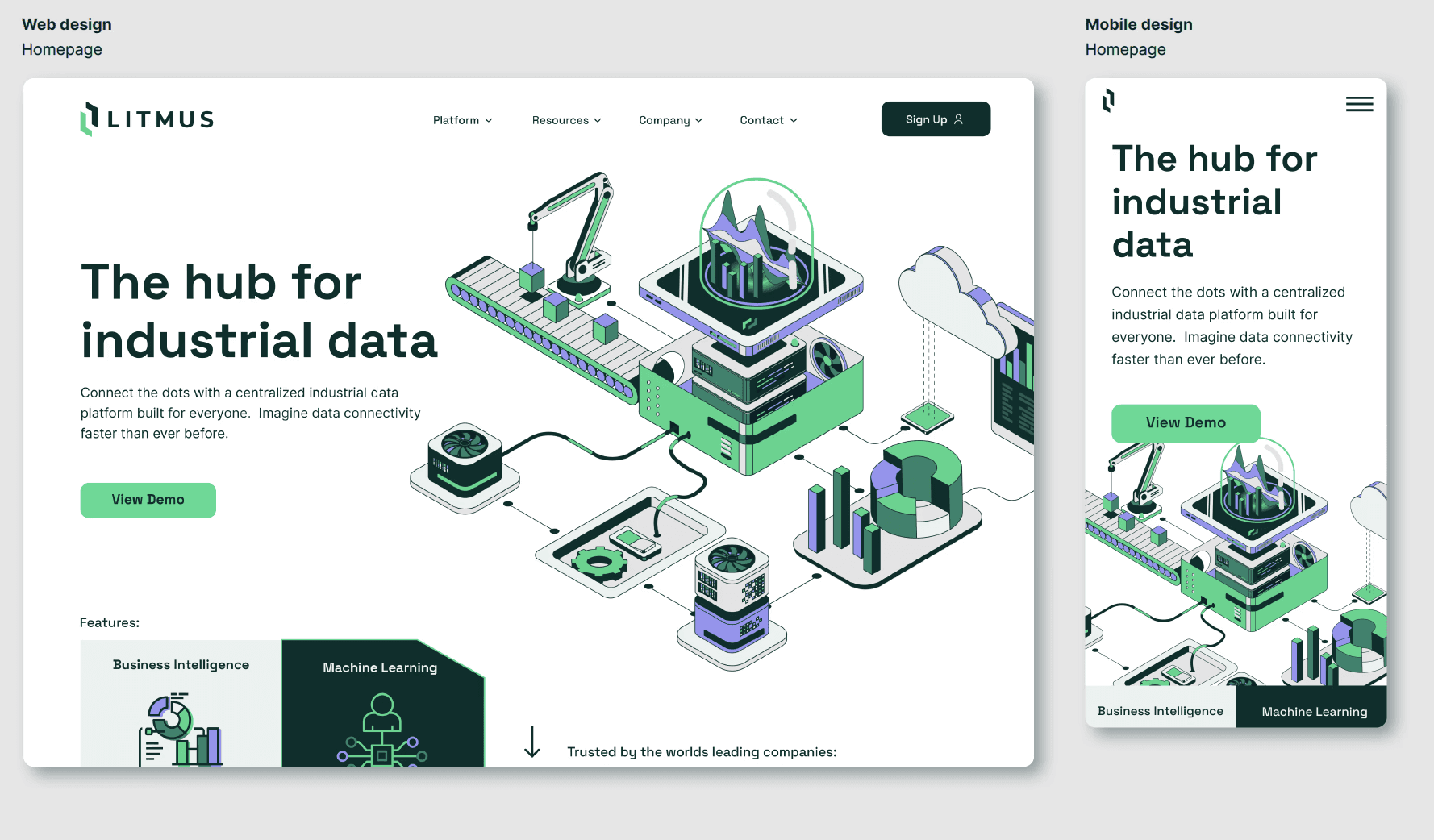
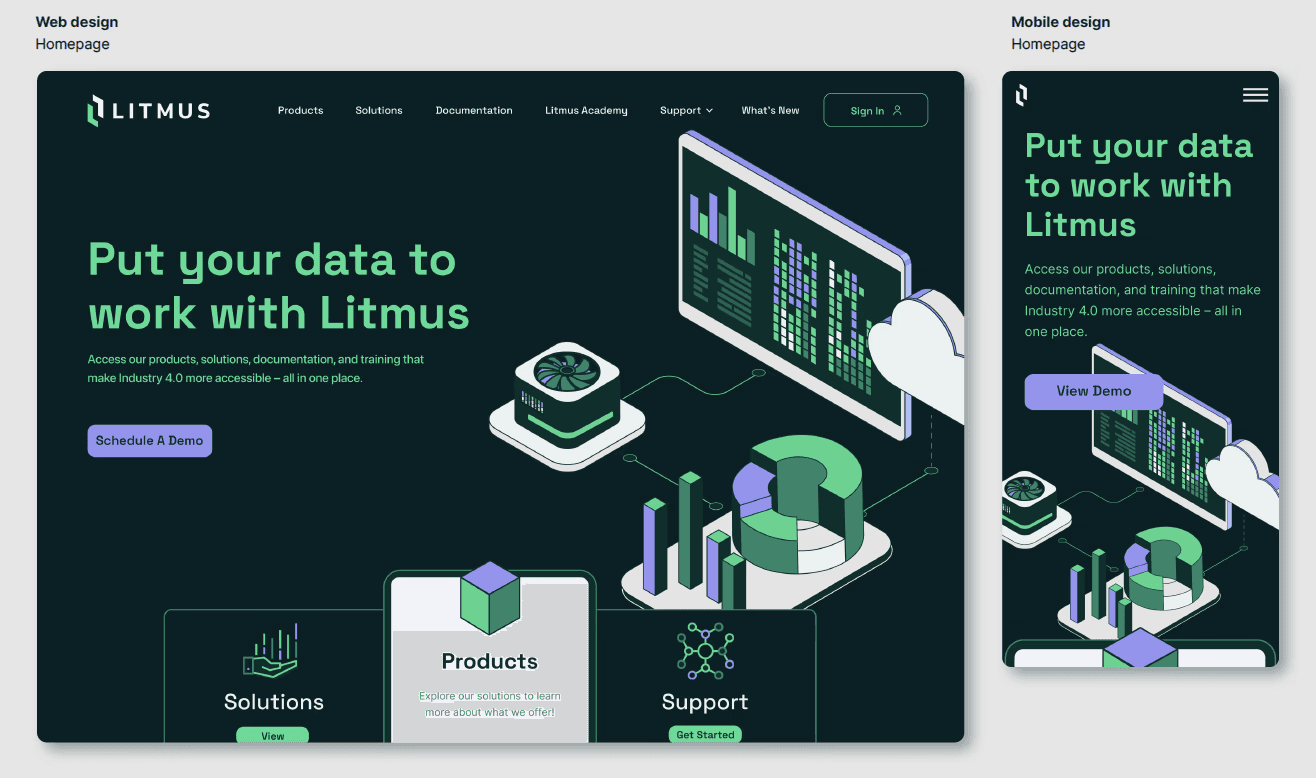
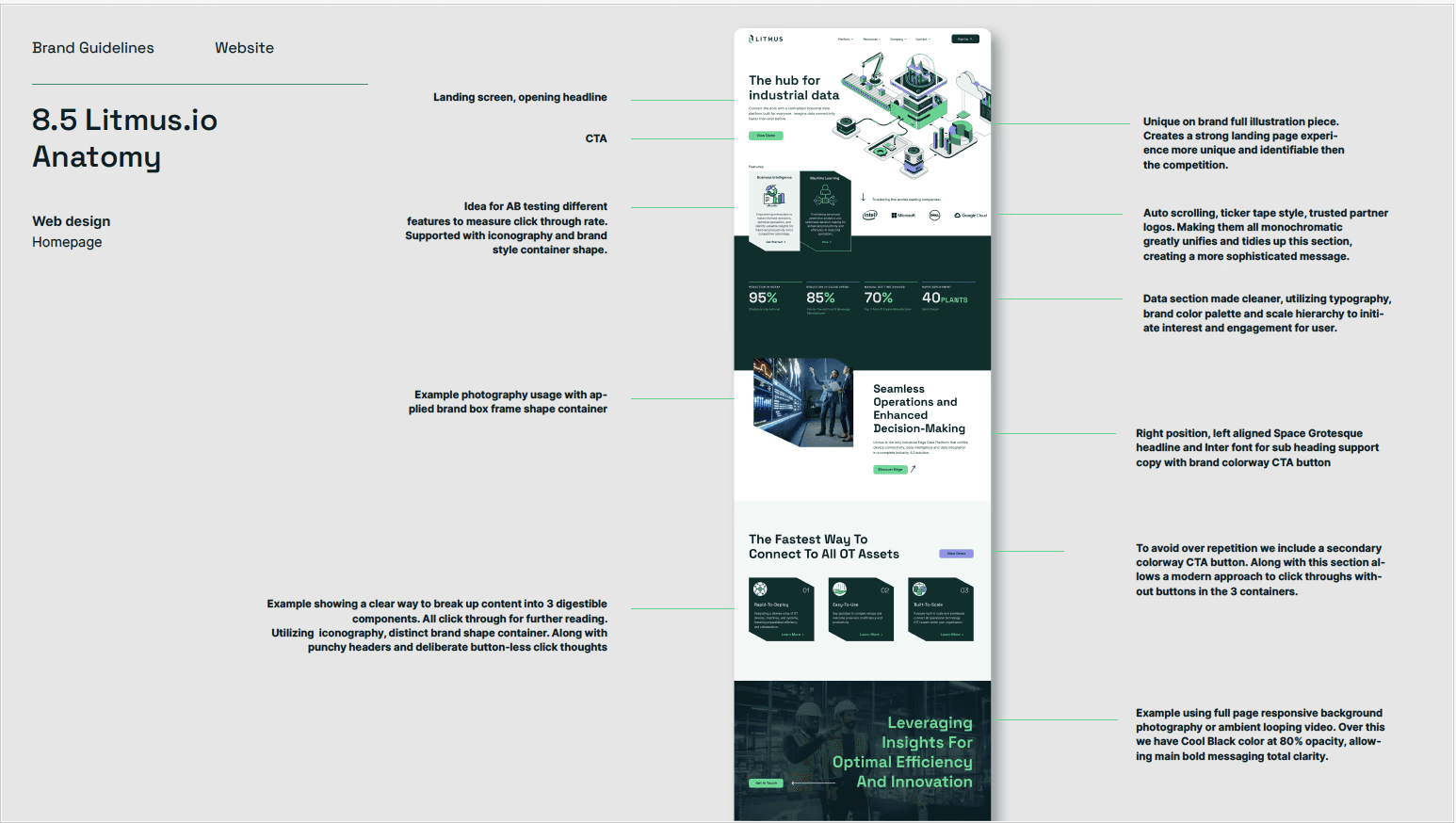
At the same time, the company was undergoing a major rebrand from the marketing side, introducing a fresh visual identity that needed to be thoughtfully incorporated into our products. However, applying modern design principles to an industrial IoT platform came with unique challenges. Unlike consumer-facing applications where clean, minimal interfaces are standard, IoT platforms often prioritize data density, complex workflows, and highly functional interfaces. Striking the right balance between usability, modern aesthetics, and industry expectations required a strategic and iterative approach.
In this case study, I'll walk you through the entire process, from the initial concept to the final implementation, highlighting the creativity, challenges, and problem-solving that went into building this pivotal design asset.
Challenge
The biggest challenge stemmed from the lack of a unified, standardized approach to design across Litmus Automation's products. Each product had been designed independently, leading to inconsistencies in UI patterns, interactions, and branding. This fragmentation resulted in inefficiencies, a disjointed user experience, and difficulty in aligning the new brand identity with the product ecosystem. Additionally, IoT users are accustomed to complex, data-heavy interfaces, making it difficult to introduce modern design principles without disrupting workflows. My goal was to create a scalable, accessible, and user-friendly design system that not only established consistency across products but also modernized the interface without compromising functionality.
Solution
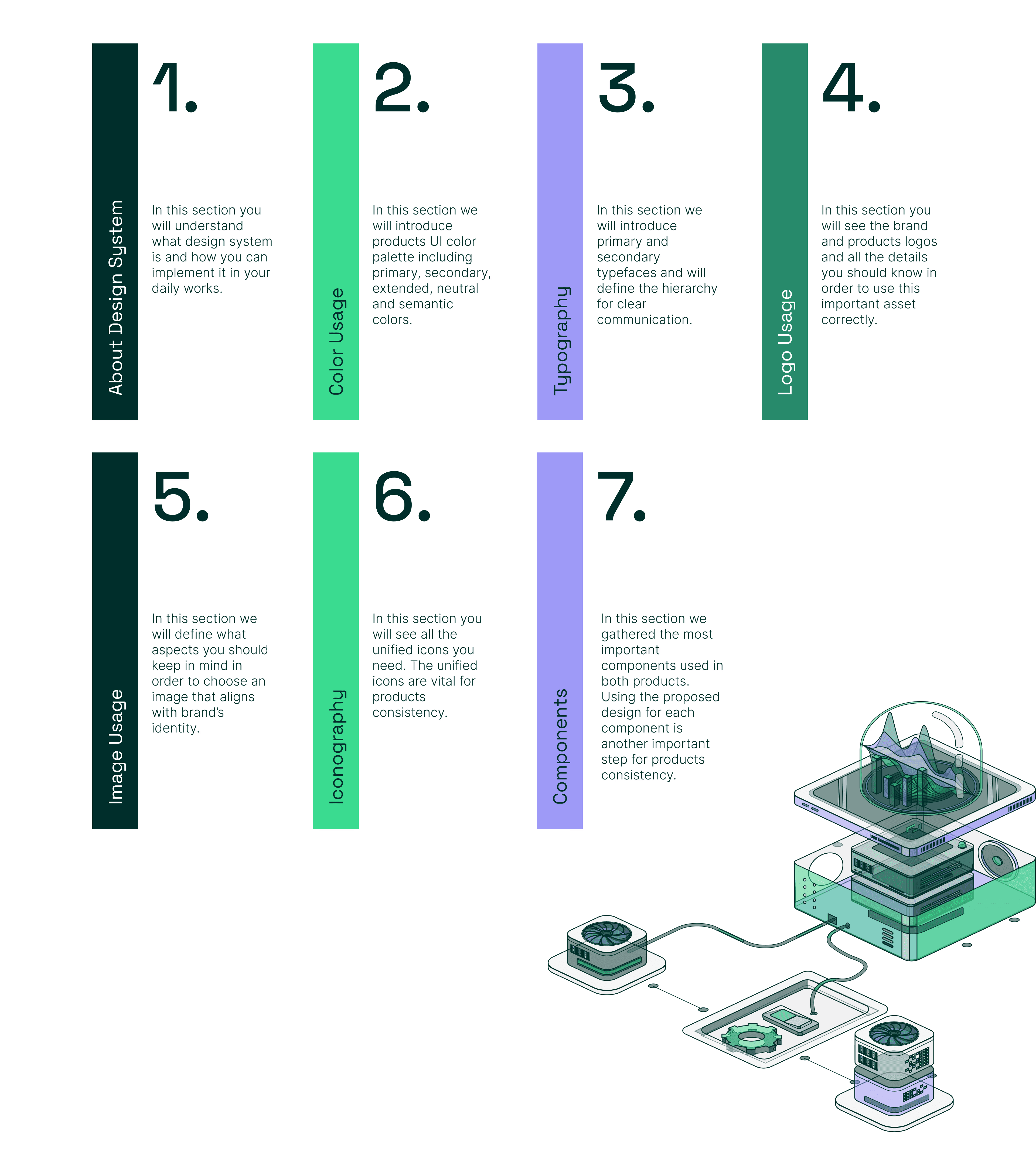
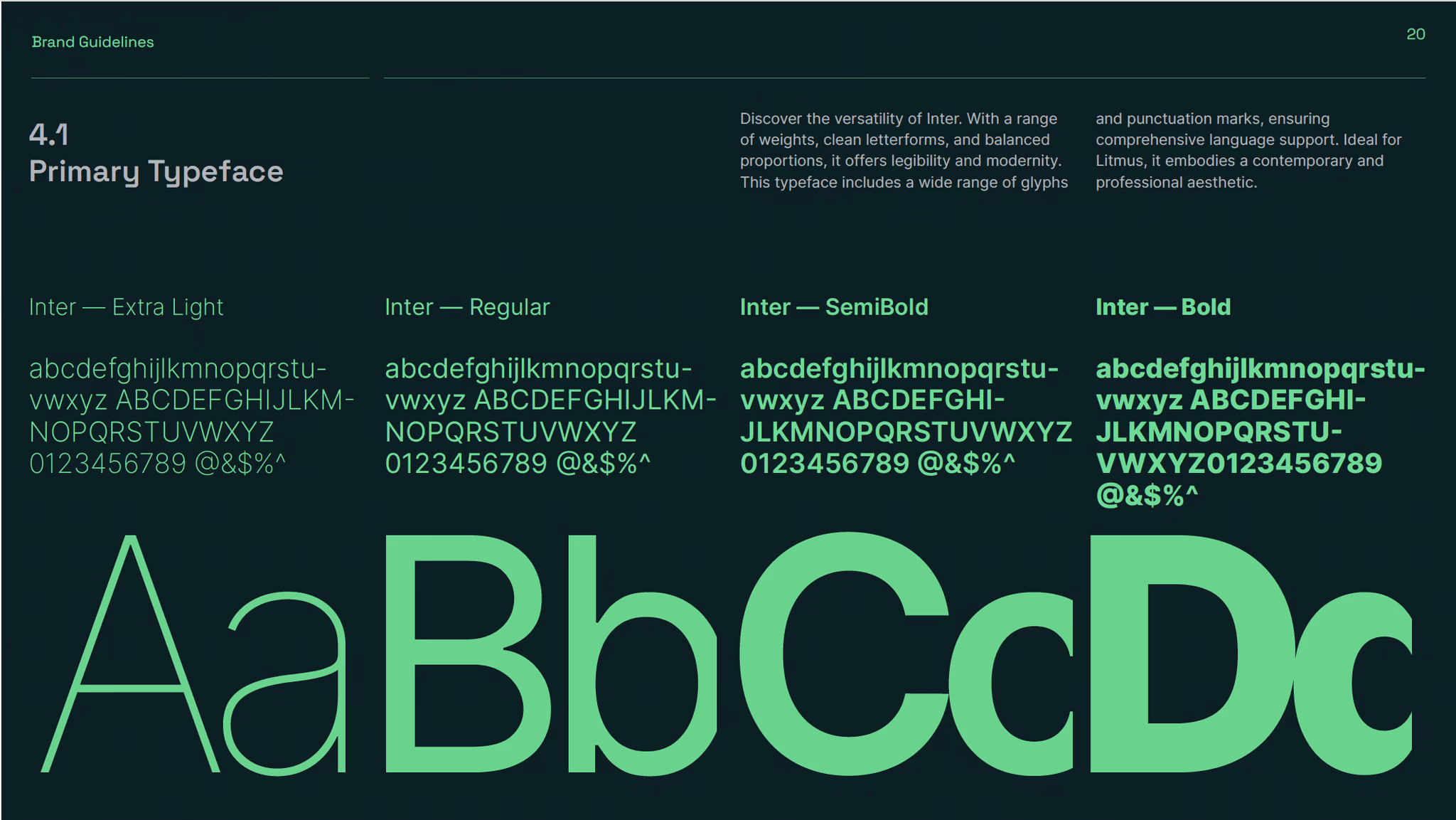
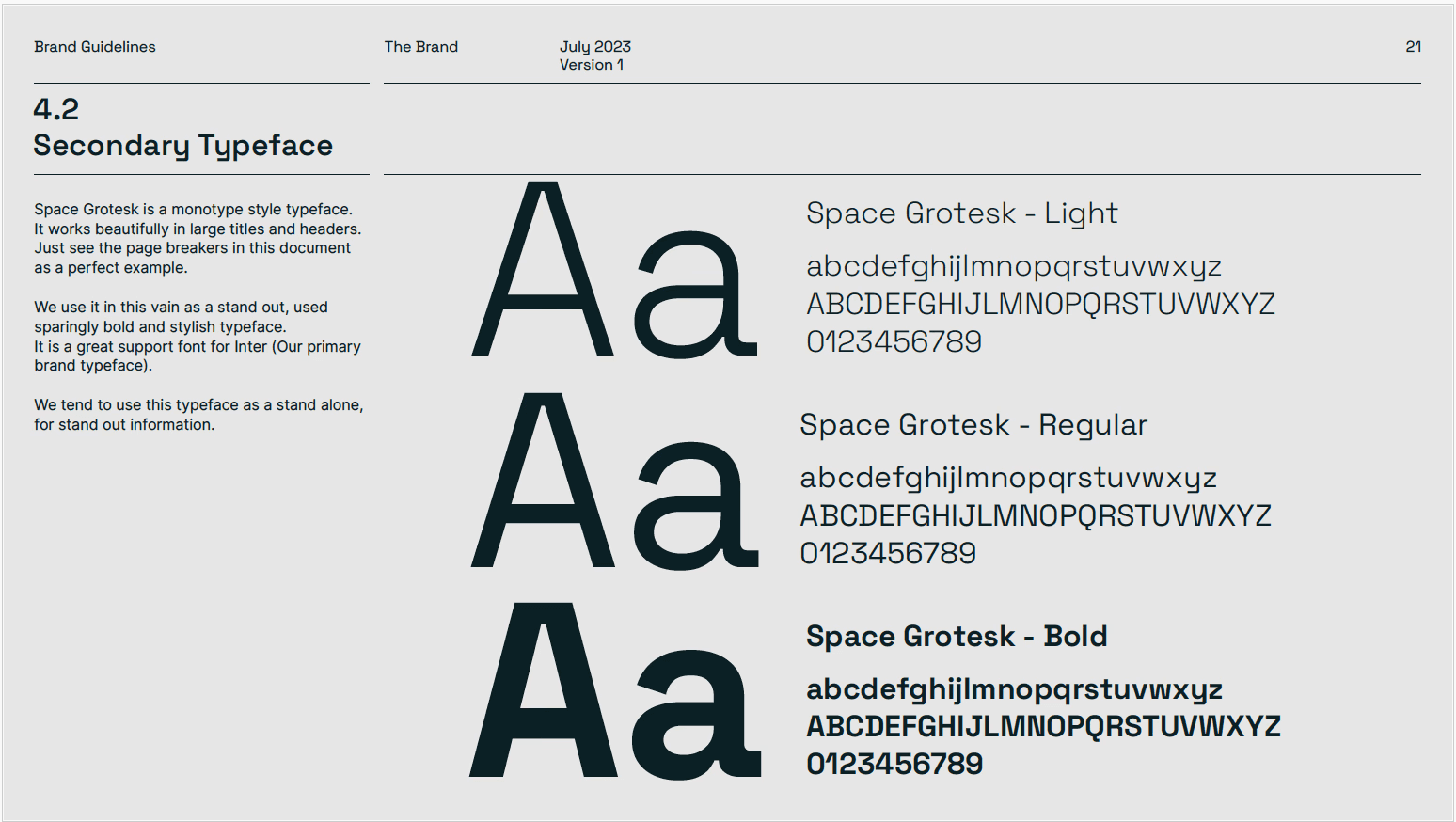
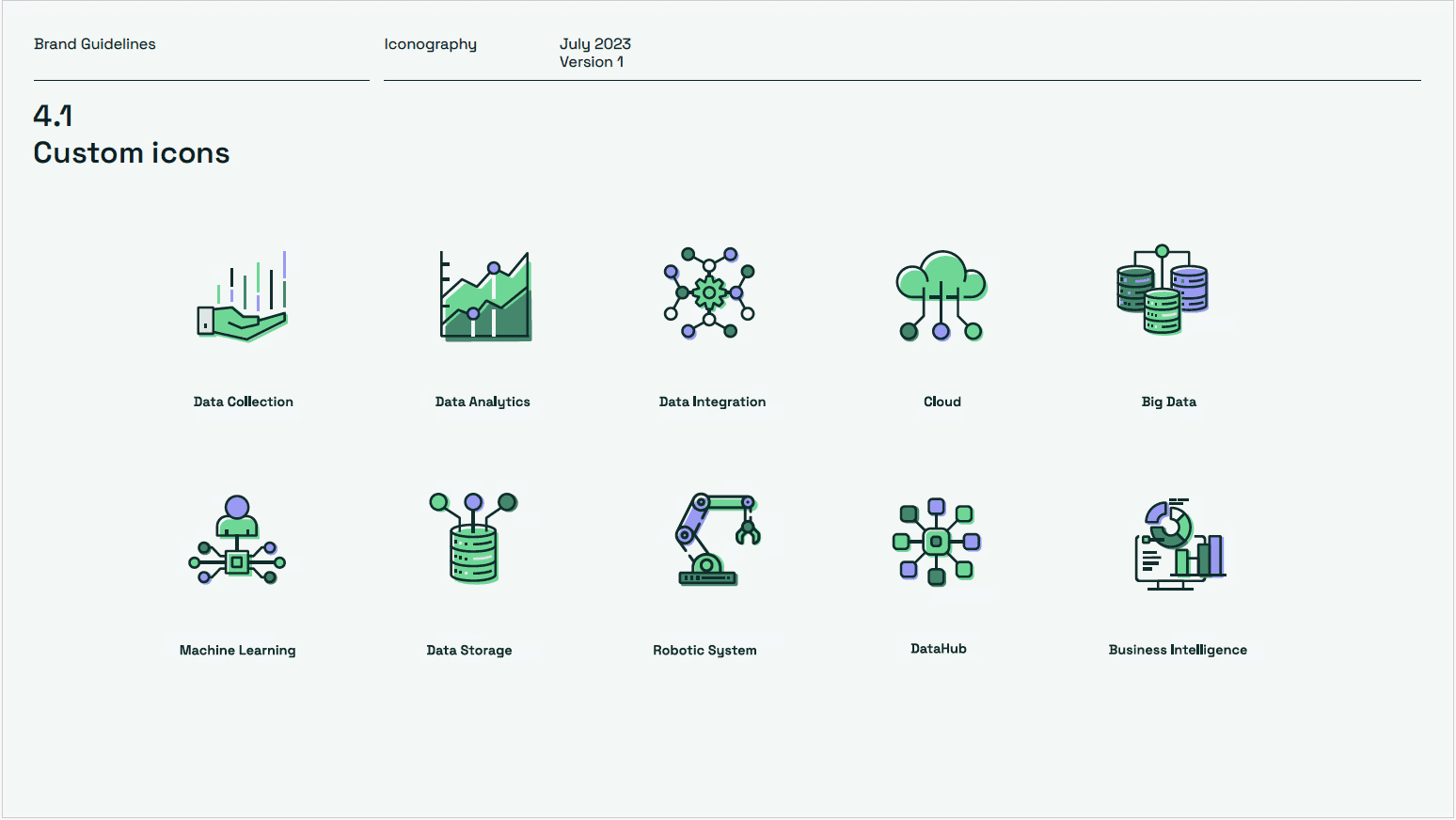
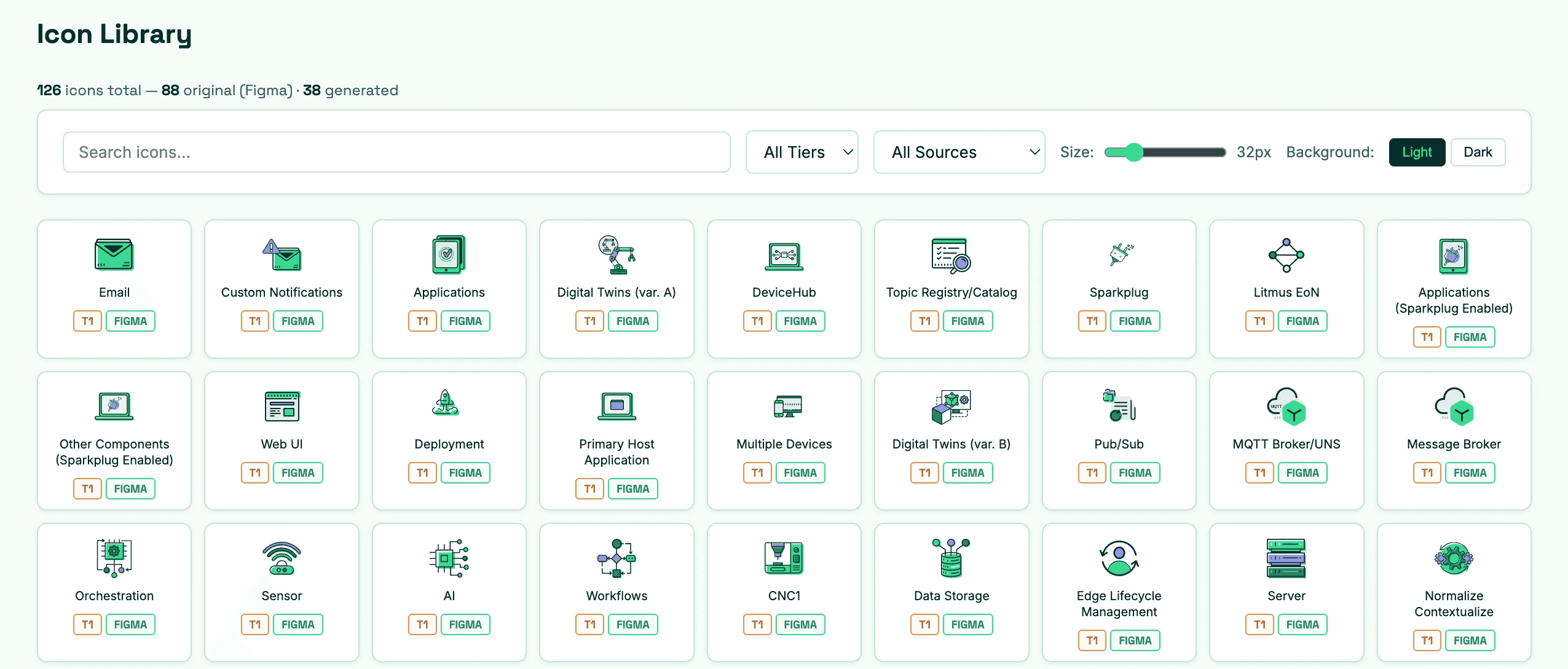
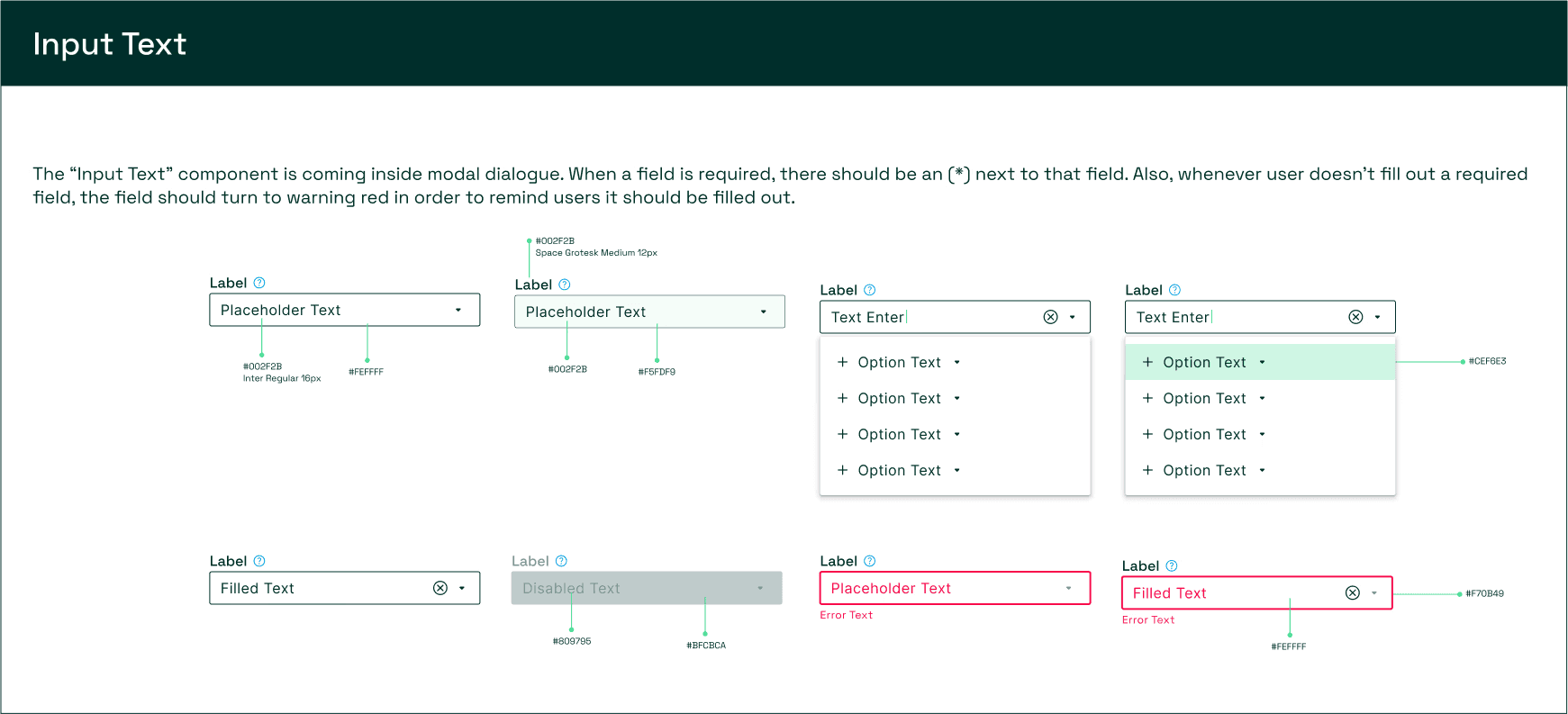
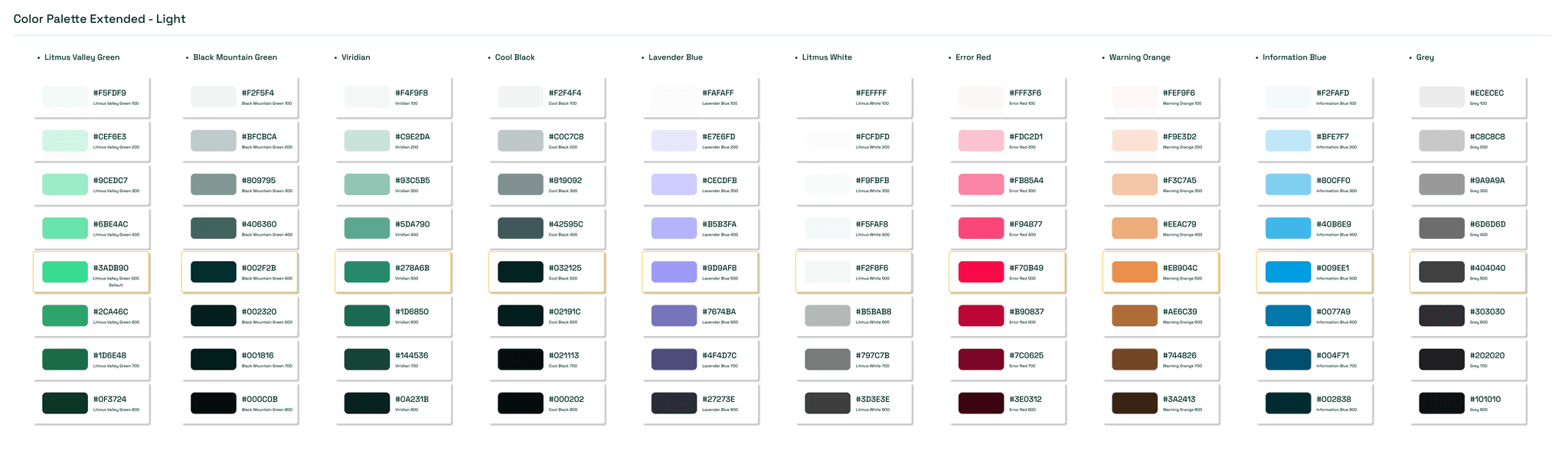
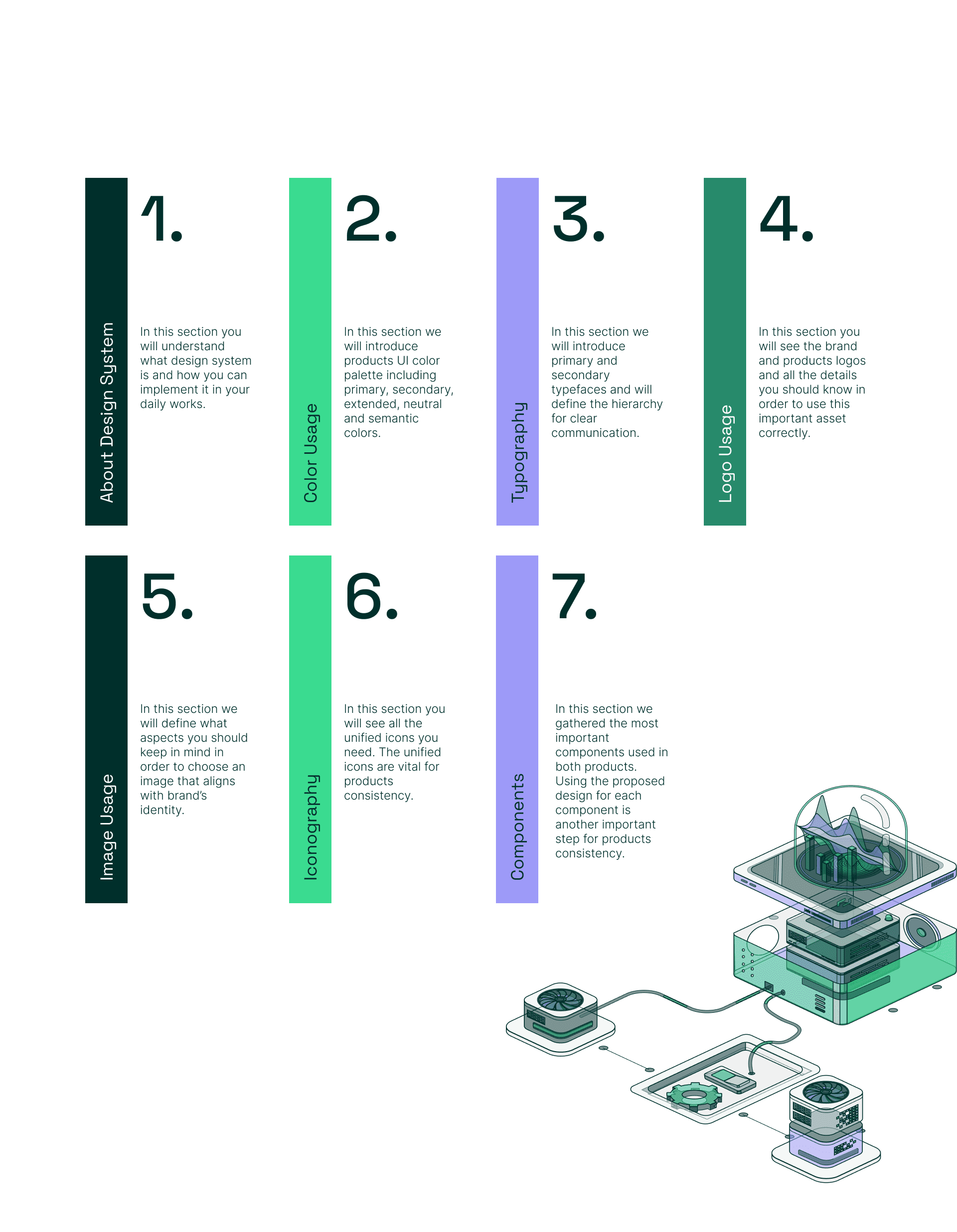
The solution was a comprehensive Design System library, a centralized framework, that bridged the gap between the company’s new branding and the functional needs of IoT users. I collaborated closely with designers, developers, and product managers to define core design principles focused on consistency, scalability, accessibility, and efficiency. Working in Figma, I built a structured component library covering everything from typography and colour schemes to navigation patterns and data visualization, ensuring clarity in high-density interfaces. To streamline adoption, I documented clear usage guidelines, hosted training sessions, and established an iterative feedback process to refine the system over time. Partnering with engineers, we aligned design tokens and component implementation for seamless front-end integration, making the system an integral part of the development workflow.
Conclusion
The impact of this project was significant. The Design System eliminated inconsistencies, reduced design debt, and improved efficiency by providing reusable components that accelerated the design-to-development process. It successfully translated the company's rebrand into a cohesive product UI while preserving the functionality expected in IoT platforms. The system also introduced accessibility standards, ensuring products were more inclusive for a wider range of users. Most importantly, it created a scalable foundation that would evolve with the company's products. This experience reinforced the importance of cross-functional collaboration, iterative problem-solving, and balancing modern UI with industry-specific constraints. Moving forward, I plan to expand the system with motion guidelines, integrate design tokens more deeply into the front-end framework, and continue refining accessibility and usability through ongoing user testing. This project laid the groundwork for a modernized, scalable product experience at Litmus Automation, and I’m excited to see how it continues to evolve.